

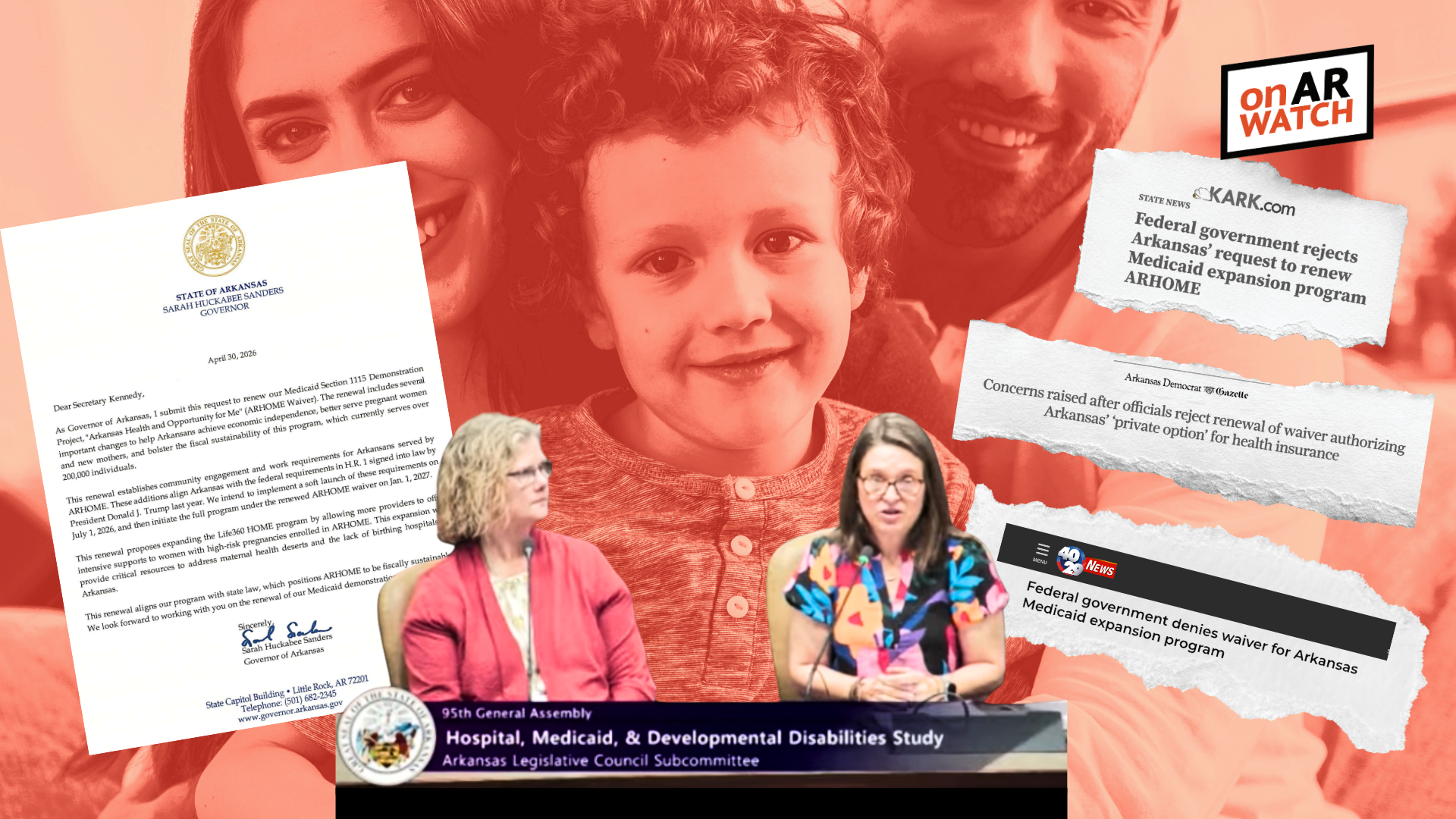
Arkansas’s Medicaid expansion program is facing another major overhaul, but DHS Secretary Mann says the state is not considering ending coverage.
During an August 17 ALC Hospital, Medicaid, and Developmental Disabilities Committee meeting, Mann explained that the federal government declined to renew Arkansas’s ARHOME waiver under new budget-neutrality rules. DHS has requested a two-year extension while the state develops a replacement system.
“I do not feel that people will be going without coverage on January 1,” Mann told lawmakers.
Mann said federal officials have committed to working with DHS to maintain coverage during the transition. She also made clear that her agency is approaching the problem with one goal: keeping Arkansas’s Medicaid expansion population insured.
“The agency has not looked at ending the expansion population coverage,” Mann said. “I went automatically to: What do we do to have the expansion population covered?”
Mann’s assurance matters, but does it have any weight? ARHOME currently uses Medicaid funding to provide private insurance plans to more than 200,000 Arkansans. For many, losing that coverage would mean losing access to doctors, prescriptions, preventive care, and treatment they cannot afford otherwise. This would only worsen the state’s ballooning healthcare crisis with no clear solution in sight. Right now, there is no replacement capable of providing the same coverage as ARHOME without disruption to beneficiaries.
If federal officials reject the requested extension, Mann said DHS could move ARHOME recipients into traditional fee-for-service Medicaid. But she acknowledged that such a rapid transition would be “bumpy” for patients and potentially disruptive for healthcare providers.
The consequences could extend well beyond ARHOME enrollees. Moving approximately 200,000 people out of private plans could reduce premium tax revenue used to support Medicaid and negatively impact hospitals already struggling with low reimbursement rates and uncompensated care, especially in rural areas where hospitals are shutting down.
It’s important to note that this is not a crisis created by Mann. The Secretary is trying to preserve coverage while navigating conflicting state requirements and new federal restrictions with a looming deadline. Her commitment is good to hear, but Arkansans should not have to depend on optimism and emergency contingency plans to know whether they will still have healthcare next year.
State and federal leaders now have a responsibility to give DHS the time and resources necessary to keep that promise.