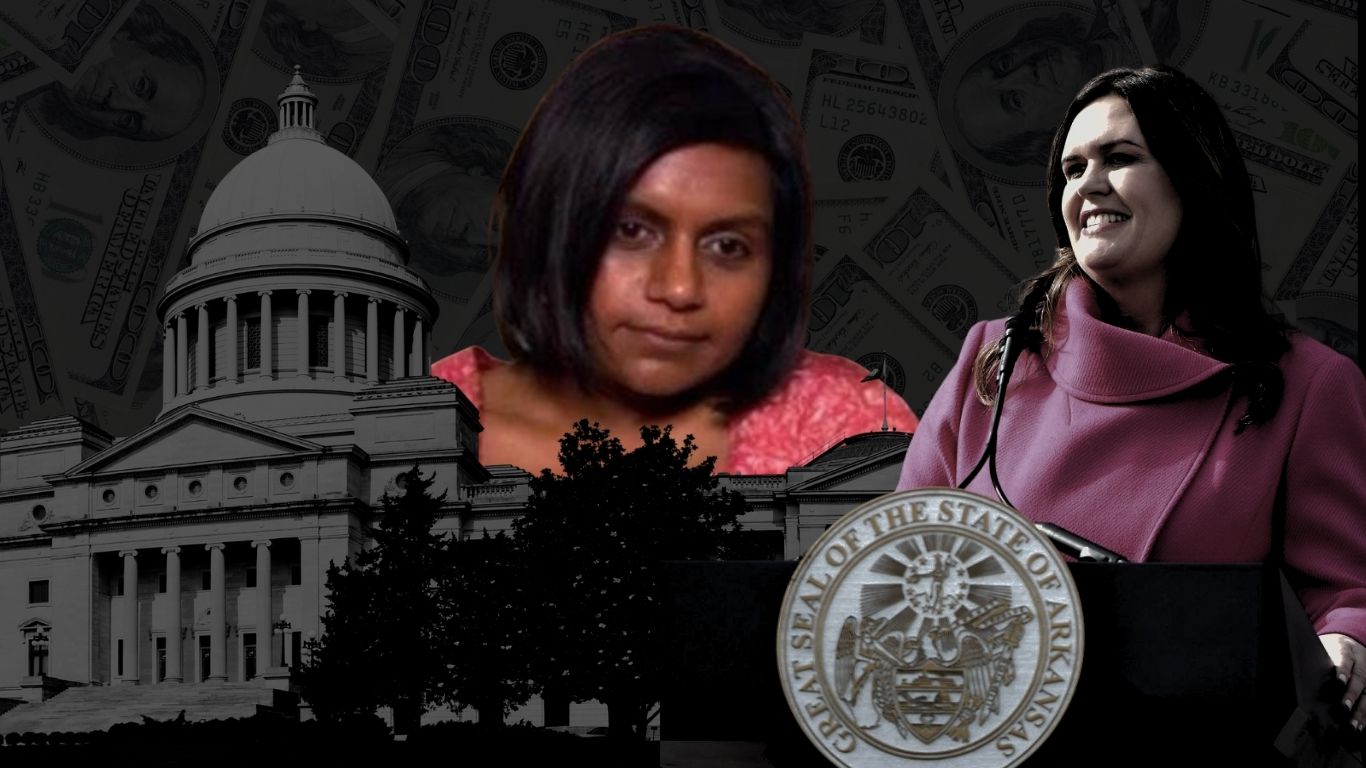
Arkansas’ 95th General Assembly is set to kick off the fiscal session on Wednesday, April 8, 2026. After a year and a half of controversial prisons, the Ten Commandments in schools, and attacks on Arkansas’ ballot initiative process, the issue that is set to be the most contentious is appropriations to fund the Educational Freedom Accounts from the LEARNS Act.
The vouchers, referred to as “Educational Freedom Accounts,” provide tax payer dollars to private school and homeschooled students to help pay for tuition and other school-related expenses. Legislators on both sides have grown increasingly hesitant and worried about the amount of money that has already been funneled into the voucher program. As of early 2026, Arkansas has already approved over $300 million in funding for the EFA voucher program for the 2025-2026 school year.
The 2025-2026 school year marks the first year that the program became open to all K-12 students statewide, with no restrictions, otherwise known as a blanket voucher. Since this change, participants in the program have increased significantly. Initially, the Arkansas legislature allocated just $187.4 million out of the annual budget to pay for the 2025-2026 school year. Knowing that wouldn’t be enough since the vouchers were due to become universal, they also set aside $90 million in reserve funds. Surprising no one, this also wasn’t enough. The Arkansas Department of Education then requested another $32 million to fully fund the program.
This made the total cost $309.4 million to fully fund the program for ONE year.
Now, leading up to the fiscal session, Governor Sarah Huckabee Sanders has proposed a nearly $6.7 billion budget that would increase the amount allotted to the state voucher program by about $70 million from last year. A total of more than $309 million designated for the Educational Freedom Accounts program. The budget also calls for setting aside an additional $70 million from surplus funding for anticipated program growth. This means the voucher program could potentially cost around $379 million.
While we’re unsure where all the legislators stand, it has become clear that Democrats and some rural Republicans have become reluctant about the increasing cost to sustain this program.
With rising grocery and gas prices, everyday Arkansans are suffering while millions of our tax payer dollars are going directly in the pockets of private schools.